
Services
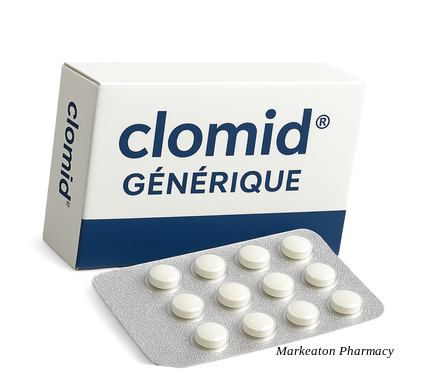
- Is Clomid available without prescription in the UK?
- What does Prescription Only Medicine (POM) mean?
- General information about Clomid (clomiphene citrate)
- How Clomid works in fertility treatment
- Price and availability information
- Strengths, formulations and pack types
- Clomid for female infertility and male hypogonadism
- UK legal classification: POM only
- Alternatives to Clomid
- Clomid compared with other ovulation induction agents
- Food, alcohol and lifestyle considerations
- Side effects and tolerability
- Long-term use and monitoring
- Warnings, contraindications and interactions
- Additional information about Clomid
Is Clomid available without prescription in the UK?
No. Clomid (clomiphene citrate) is classified as a Prescription Only Medicine (POM) in the UK and cannot be legally supplied without a valid prescription. Attempts to buy or order Clomid without prescription online may contravene UK regulations and carry significant risks regarding product authenticity, quality and safety.
What does Prescription Only Medicine (POM) mean?
A Prescription Only Medicine (POM) requires a valid prescription from a qualified healthcare professional for supply. This classification ensures that medicines with specific therapeutic effects or safety considerations are prescribed and monitored by a doctor or authorised prescriber to optimise benefit and minimise risk.
General information about Clomid (clomiphene citrate)
What is Clomid?
Clomid is a brand name for clomiphene citrate, an ovulation induction agent widely used to treat certain types of female infertility. It is also sometimes used off-label in men with hypogonadism to stimulate endogenous testosterone production.
What is clomiphene citrate?
Clomiphene citrate is a selective estrogen receptor modulator (SERM). It binds to estrogen receptors in the hypothalamus, tricking the body into increasing gonadotropin-releasing hormone (GnRH) secretion, which in turn stimulates follicle-stimulating hormone (FSH) and luteinizing hormone (LH) release from the pituitary gland.
Why is Clomid used for infertility?
By promoting FSH and LH release, Clomid encourages ovarian follicle development and ovulation in anovulatory or oligo-ovulatory women, increasing the chances of conception during timed intercourse or assisted reproductive procedures.
Is generic Clomid identical to the branded product?
Generic clomiphene citrate contains the same active molecule at equivalent strengths and must meet regulatory standards for pharmaceutical quality, safety and efficacy. Inactive ingredients, tablet appearance, coatings and packaging may vary between manufacturers.
Is Clomid an oral tablet?
Yes. Clomid is supplied as 50 mg oral tablets, with dosing regimens determined by the prescribing physician based on individual patient response and treatment protocol.
How Clomid works in fertility treatment
What is the mechanism of action?
Clomiphene citrate acts as an estrogen antagonist in the hypothalamus, reducing negative feedback from circulating estrogens. This increases GnRH pulse frequency, raising circulating FSH and LH levels, which stimulate ovarian follicular growth and eventual ovulation.
When does ovulation typically occur?
Following a standard Clomid regimen (50 mg daily for five days, often starting on cycle day 2, 3 or 5), ovulation generally occurs within five to ten days after the last dose. The exact timing can vary by individual patient factors.
Does Clomid increase pregnancy rates?
Clomid can increase the likelihood of ovulation in women who do not ovulate regularly. Pregnancy rates per treatment cycle vary but are generally in the range of 10–15% for properly selected patients under clinical supervision.
Can male patients use Clomid?
In men with secondary hypogonadism, Clomid may raise endogenous testosterone levels by increasing gonadotropin secretion. Use in men should be guided by an endocrinologist or urologist, with monitoring of hormone profiles and clinical parameters.
Are there dosing variations?
Standard dosing is 50 mg daily for five days. Depending on response, a physician may adjust the dose up to 100 mg daily or extend treatment cycles, with careful monitoring to reduce the risk of ovarian hyperstimulation and multiple pregnancies.
Price and availability information
How much does Clomid cost in the UK?
Clomid is a POM and price can vary by pharmacy, pack size and dispensing fees. This page provides example pricing. For an exact quote including consultation or prescription charge, please contact Markeaton Pharmacy in Derby or check online ordering options.
Why do costs vary?
Pharmacy dispensing fees, prescription charges, manufacturer pricing, generic status and pack presentation can all influence the final retail price. Lower generic prices may reflect bulk purchasing and manufacturer competition.
| Example | Strength | Formulation | Price | Status | Note |
|---|---|---|---|---|---|
| Clomid 50 mg | 50 mg | Oral tablets, 10-pack | £29.99 | Prescription Only | Generic clomiphene citrate |
| Clomid 50 mg | 50 mg | Oral tablets, 20-pack | £45.50 | Prescription Only | Branded or generic |
Strengths, formulations and pack types
What strengths are available?
Clomid tablets are available in a single 50 mg strength. Different pack sizes (e.g., 10, 20 or 30 tablets) may be authorised for various treatment protocols.
Why does pack size matter?
Pack size is linked to treatment duration, prescribing guidelines and cost effectiveness. Shorter courses reduce the risk of side effects while larger packs can be more economical for extended treatment under medical supervision.
Are there alternative formulations?
Currently Clomid is only available as immediate-release oral tablets. Other routes or sustained-release forms are not authorised in the UK.
Can different brands differ?
All UK-marketed clomiphene products must adhere to the same product-specific Summary of Product Characteristics. Differences may include tablet color, excipients, packaging and patient information leaflets.
Clomid for female infertility and male hypogonadism
Which female patients can benefit?
Clomid is indicated for women with anovulation or oligo-ovulation, such as those with polycystic ovary syndrome (PCOS), who desire pregnancy and have no other contraindications.
What about male use?
In men with secondary hypogonadism, Clomid can improve testosterone levels, sperm production and fertility outcomes. Endocrine monitoring is essential to adjust dose and evaluate treatment success.
Can Clomid cause multiple pregnancy?
Yes. The risk of twins or higher-order multiple pregnancies is increased with ovulation induction. Patients should discuss the potential for multiples and associated maternal and fetal risks before treatment.
How is treatment success monitored?
Monitoring may include ultrasound follicle tracking, serum hormone assays, mid-luteal progesterone levels and clinical assessment of ovulation symptoms. Regular reviews help optimise dosing and timing.
UK legal classification: POM only
Why is Clomid POM only?
Its mechanism, potential side effects and need for clinical monitoring mandate supply under a valid prescription to ensure appropriate patient selection, dosing and follow-up.
Who regulates Clomid?
The Medicines and Healthcare products Regulatory Agency (MHRA) authorises and monitors Clomid. Only licensed pharmacies can dispense it against a prescription from a doctor, nurse prescriber or pharmacist independent prescriber.
Can Clomid be reclassified?
No current proposals exist for reclassification. Clinical oversight is considered essential given the risks of ovarian hyperstimulation, multiple pregnancy and off-label use.
Alternatives to Clomid
What other ovulation agents are used?
- Letrozole (aromatase inhibitor) for ovulation induction;
- Anastrozole in specific protocols;
- Gonadotropin injections (FSH, hMG) under specialist care;
- Bromocriptine or cabergoline in hyperprolactinemia;
- Assisted reproductive technologies (IUI, IVF) when oral agents are inadequate.
How do these differ?
Letrozole lowers estrogen synthesis, producing a different endocrine profile. Gonadotropins directly stimulate the ovary but require injection and carry higher risk of hyperstimulation, necessitating intensive monitoring.
Clomid compared with other ovulation induction agents
Clomid vs Letrozole
Both orally administered, but Clomid modulates estrogen receptors while letrozole inhibits aromatase. Letrozole may have a lower multiple pregnancy rate in some studies, but clinical choice depends on patient factors and response history.
Clomid vs Gonadotropins
| Feature | Clomid | Letrozole | Gonadotropins |
| Route | Oral tablets | Oral tablets | Injection |
| Mechanism | Estrogen receptor modulator | Aromatase inhibitor | Direct FSH/LH |
| Monitoring | Low | Low | High (ultrasound, labs) |
| Multiple pregnancy risk | Moderate | Lower | High |
Is one agent always better?
No. Individual response, side effect profile, cost and clinical context guide agent selection. Physicians may switch or combine protocols based on monitoring results and patient preference.
Food, alcohol and lifestyle considerations
Does diet affect fertility?
Balanced nutrition, adequate protein, healthy fats and micronutrients like folate, vitamin D and iron support reproductive health. Extreme diets or nutritional deficiencies can impact hormone balance.
Can alcohol influence treatment?
Excessive alcohol intake may disrupt menstrual cycles and reduce sperm quality. Moderate consumption should be discussed with a healthcare professional during fertility treatment.
Does smoking matter?
Smoking negatively affects ovarian reserve, egg quality and sperm parameters. Smoking cessation is strongly advised for couples pursuing fertility treatment.
Can body weight influence success?
Underweight or overweight individuals may have altered hormone profiles affecting ovulation. Weight management through diet and exercise may improve treatment outcomes.
Side effects and tolerability
Can Clomid cause side effects?
Yes. Side effects vary in frequency and severity. Patients should review the patient information leaflet and discuss potential adverse effects with their prescriber.
| System | Examples |
| Ovarian | Ovarian enlargement, ovarian cysts, pain or discomfort |
| Neurological | Headache, dizziness, visual disturbances (blurred vision, flashes) |
| Gastrointestinal | Nausea, vomiting, abdominal cramps |
| Psychiatric | Mood swings, irritability, depression |
| Allergic | Rash, urticaria, rare anaphylaxis |
What about visual changes?
Visual disturbances are uncommon but can be serious. Patients should discontinue Clomid and seek immediate medical advice if they experience blurred vision, visual field defects or other ocular symptoms.
Can Clomid cause ovarian hyperstimulation?
Yes. Ovarian hyperstimulation syndrome (OHSS) can occur, especially if dose or treatment cycles exceed recommended parameters. Monitoring and dose adjustments reduce this risk.
Long-term use and monitoring
Why monitor treatment cycles?
Serial ultrasound and hormonal assays help assess follicular response, prevent OHSS and guide dosing for subsequent cycles. Clinical review ensures safety and optimises pregnancy chances.
Can Clomid use be extended?
Typically limited to six cycles to minimise long-term risks. Persistent anovulation after six cycles usually prompts evaluation for alternative treatments or referral to fertility specialists.
Are there long-term risks?
Concerns about endometrial changes and ovarian cancer risk have been studied, but evidence is mixed. Physician oversight and regular follow-up mitigate potential long-term safety issues.
Warnings, contraindications and interactions
Who should not use Clomid?
- Women with primary ovarian failure;
- Pregnant or breastfeeding women;
- Uncontrolled thyroid or adrenal dysfunction;
- Pre-existing liver disease;
- Unexplained vaginal bleeding;
- Visual impairment from prior Clomid use;
- Men with normal testosterone levels or who do not require fertility treatment.
Can Clomid interact with other medicines?
Potential interactions are limited but may include hormonal therapies, antiepileptic drugs and medications affecting liver enzymes. Co-administration should be reviewed by a specialist.
Why are visual warning symptoms important?
Visual side effects can indicate central nervous system changes. Immediate cessation of Clomid and ophthalmologic evaluation are critical if visual disturbances occur.
What about pregnancy once conceived?
Clomid is usually discontinued upon confirmation of pregnancy. Ongoing pregnancy should be monitored by an obstetrician, with any concerns reported promptly.
Additional information about Clomid
What does “generic clomiphene citrate” mean?
A generic Clomid product contains clomiphene citrate identical to the reference medicine and meets rigorous regulatory standards. Patients may see different brand names or manufacturers but can expect similar clinical effects.
Why check the patient information leaflet?
Leaflets include approved indications, dosing instructions, contraindications, warnings, side effects and storage guidance specific to each authorised product. Always consult the leaflet supplied with your medicine.
Where can UK medicine information be verified?
Reliable sources include the MHRA website, the electronic Medicines Compendium (eMC), your prescribing clinician and qualified pharmacy professionals.
Does this replace personalised medical advice?
No. This page from Markeaton Pharmacy, 126 Kedleston Road, Derby, DE22 1FX, provides general information. For tailored advice, discuss your situation with our pharmacy team or your doctor.