
Services
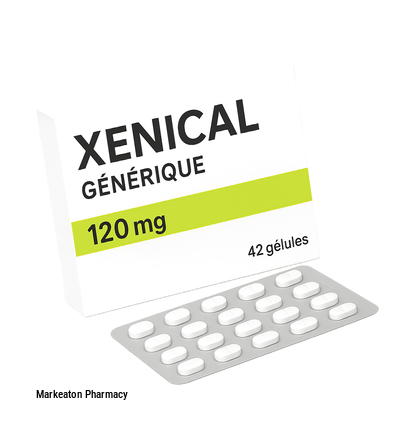
- Is Xenical 120 mg available without prescription in the UK?
- What does Pharmacy medicine mean in the UK?
- General information about Xenical (orlistat)
- How Xenical (orlistat) works
- Price and availability information
- Strengths, formulations and pack types
- Obesity, overweight and weight management
- UK legal classification: GSL, P and POM
- Alternatives for weight management
- Xenical compared with other weight loss medicines
- Diet, alcohol and lifestyle considerations
- Side effects and tolerability
- Long-term use and excessive exposure
- Warnings, contraindications and interactions
- Additional information about Xenical 120 mg
Is Xenical 120 mg available without prescription in the UK?
Branded Xenical 120 mg remains a Prescription Only Medicine (POM) in the UK, which means a valid prescription from a qualified prescriber is normally required. However, some online pharmacies offer generic orlistat 120 mg without the need to upload a prescription document by conducting a remote clinical assessment through a pharmacist-led consultation. Additionally, a lower-strength orlistat 60 mg formulation (often sold under the brand name Alli) has Pharmacy medicine status and can be supplied without prescription for overweight adults seeking self-help weight management.
Note that “without prescription” supply of Xenical 120 mg via online channels still involves professional oversight by a pharmacist and adheres to UK pharmacy regulations. Always ensure that any online purchase complies with MHRA requirements and that you receive appropriate instruction on safe use.
What does Pharmacy medicine mean in the UK?
The UK classifies medicines under three categories:
- Prescription Only Medicine (POM): Requires a prescription or specific legal mechanism.
- Pharmacy medicine (P): No prescription required but must be sold under the supervision of a pharmacist.
- General Sales List (GSL): Can be sold anywhere (supermarkets, petrol stations) if conditions are met.
Xenical 120 mg is POM. Orlistat 60 mg (Alli) is a Pharmacy medicine, meaning you can purchase it directly from a pharmacy counter or online pharmacy after an optional pharmacist consultation but without a formal prescription.
General information about Xenical (orlistat)
What is Xenical?
Xenical is the brand name for orlistat, a gastrointestinal lipase inhibitor. It is indicated for weight loss in adults with a body mass index (BMI) ≥ 30 kg/m² or ≥ 27 kg/m² with additional risk factors such as hypertension, type 2 diabetes or dyslipidaemia.
What is orlistat?
Orlistat is the active pharmaceutical ingredient in Xenical. It acts locally in the gut to inhibit pancreatic and gastric lipases, reducing dietary fat absorption by approximately 30% when taken as directed with meals.
Is Xenical an appetite suppressant?
No. Orlistat does not act on the central nervous system. Instead, it blocks fat breakdown in the digestive tract, allowing unabsorbed lipids to be excreted in the faeces.
Is Xenical a stimulant or diuretic?
No. Unlike stimulant-based weight loss medicines, Xenical targets digestive enzymes. It does not increase metabolic rate or cause fluid loss through diuresis.
Why is Xenical used for obesity?
By reducing fat absorption, Xenical helps to create a caloric deficit. When combined with a reduced-calorie diet and increased physical activity, it can support clinically significant weight loss and improve cardiovascular and metabolic risk factors.
How Xenical (orlistat) works
What are pancreatic and gastric lipases?
Pancreatic lipase and gastric lipase are enzymes responsible for breaking down triglycerides into free fatty acids and monoglycerides, which are then absorbed through the intestinal wall.
How does orlistat inhibit lipase?
Orlistat forms a covalent bond with the active serine site of lipase enzymes in the stomach and small intestine, thereby preventing the hydrolysis of triglycerides. Unchanged fats pass through to the colon and are eliminated.
What happens to unabsorbed fat?
Unabsorbed fats remain in the gastrointestinal tract and are excreted in the stool. This mechanism reduces overall caloric intake from dietary fat.
Does orlistat affect absorption of other nutrients?
Yes. Orlistat may reduce the absorption of fat-soluble vitamins (A, D, E and K) and other fat-dependent nutrients. A daily multivitamin supplement is recommended, taken at least 2 hours before or after orlistat dose.
Why are dietary fat recommendations important?
To minimize gastrointestinal side effects and maximise tolerability, dietary fat should be evenly distributed across the three main daily meals. A low-fat, reduced-calorie diet helps enhance efficacy and reduce oily discharge or abdominal discomfort.
Price and availability information
How much does Xenical cost in the UK?
Prices for branded Xenical 120 mg and generic orlistat vary according to pack size, retailer, formulation and distribution channel. For the most up-to-date pricing, please contact Markeaton Pharmacy directly or visit our online shop.
Why do prices vary?
Brand name premiums, generic competition, pack size, bulk purchasing and retailer promotions all influence final consumer price. Generic orlistat often offers a cheaper alternative to branded Xenical without compromising on the active ingredient.
| Product | Strength | Pack size | Price (GBP) | Status | Note |
|---|---|---|---|---|---|
| Xenical | 120 mg | 84 capsules | Not stated | POM | Prescription only – ask Markeaton Pharmacy for price |
| Generic orlistat | 120 mg | 84 capsules | Not stated | POM | Remote supply via pharmacist consultation |
| Alli | 60 mg | 180 capsules | Not stated | P | Available OTC in pharmacies |
Strengths, formulations and pack types
What strengths of orlistat exist?
Orlistat is available as 60 mg capsules (Alli, Pharmacy medicine) and 120 mg capsules (Xenical and generics, Prescription Only Medicine).
What formulations are available?
All products are capsule formulations. There are no tablets or liquid forms currently authorised in the UK. Pack sizes range from 42 to 180 capsules, depending on strength and indication.
Why does pack size matter?
Pack size determines authorised duration of supply. Prescription products can be supplied in larger packs if prescribed for extended therapy, whereas OTC pharmacy packs are typically limited to 180 capsules per 90-day supply.
Are generic and branded orlistat identical?
Generics contain the same active ingredient at the same strength and must meet UK regulatory standards for quality, safety and efficacy. Excipients, capsule appearance and packaging may differ but therapeutic effect remains equivalent.
| Feature | Xenical | Generic orlistat | Alli (orlistat 60 mg) |
| Strength | 120 mg | 120 mg | 60 mg |
| Legal status | POM | POM | P |
| Pack sizes | 42, 84, 168 | 42, 84, 168 | 42, 84, 180 |
| Pricing | Premium | Cheaper | Cheaper |
Obesity, overweight and weight management
What is obesity?
Obesity is defined as excessive body fat that may impair health. In adults, BMI ≥ 30 kg/m² indicates obesity, while BMI 25–29.9 kg/m² indicates overweight.
Why manage body weight?
Excess weight increases the risk of cardiovascular disease, type 2 diabetes, certain cancers, sleep apnoea and other health complications. Weight reduction can improve clinical outcomes and quality of life.
Who is eligible for orlistat therapy?
Adults with BMI ≥ 30 kg/m², or BMI ≥ 27 kg/m² with weight-related comorbidities, may be considered for orlistat in conjunction with dietary modification and exercise under medical supervision.
How is success measured?
Clinically significant weight loss is defined as ≥ 5% reduction in baseline body weight within 12 weeks. Continuation beyond this period depends on individual response and tolerability.
UK legal classification: GSL, P and POM
What is a POM?
Prescription Only Medicines require a valid prescription for supply. Xenical 120 mg and generic orlistat 120 mg are POM.
What is a Pharmacy medicine?
Pharmacy medicines (P) do not require a prescription but must be sold under pharmacist supervision. Alli 60 mg is P status in the UK.
What is a GSL medicine?
General Sales List medicines can be sold in a wider range of outlets. No orlistat products have GSL classification.
Why are orlistat strengths classified differently?
Classification reflects risk profile and intended use. The higher 120 mg dose has a greater potential for interference with nutrient absorption, warranting prescription-only status and clinical oversight.
Alternatives for weight management
What other treatments are available?
- Calorie-restricted diets and lifestyle programmes;
- Prescription medicines such as liraglutide, semaglutide and naltrexone/bupropion;
- Behavioural therapy and support groups;
- Bariatric surgery for eligible patients;
- Exercise regimens designed for weight loss.
Why combine treatments?
Multimodal approaches yield superior long-term outcomes. Orlistat may complement dietary changes, exercise and psychological support to sustain weight reduction.
Xenical compared with other weight loss medicines
How does orlistat compare with GLP-1 analogues?
GLP-1 analogues (e.g. liraglutide, semaglutide) act on appetite regulation in the central nervous system and gastrointestinal motility, whereas orlistat acts peripherally in the gut to block fat absorption.
How does orlistat compare with naltrexone/bupropion?
Naltrexone/bupropion modulates reward pathways to reduce appetite, while orlistat reduces caloric uptake from fats. Choice of agent depends on patient profile, comorbidities and tolerance of side effects.
| Feature | Orlistat (Xenical) | Liraglutide | Semaglutide |
| Class | Pancreatic lipase inhibitor | GLP-1 analogue | GLP-1 analogue |
| Administration | Oral capsule | Daily injection | Weekly injection |
| Main action | Blocks dietary fat absorption | Suppresses appetite, delays gastric emptying | Suppresses appetite, delays gastric emptying |
| Side effects | GI lipophilic effects | Nausea, injection-site reactions | Nausea, injection-site reactions |
| OTC availability | Alli 60 mg | No | No |
Is one medicine better?
No single agent is universally superior. Selection should be based on medical history, contraindications, patient preference and cost considerations. Pharmacist consultation can guide the optimal choice.
Diet, alcohol and lifestyle considerations
Can diet influence side effects?
Yes. High-fat meals increase the risk of oily spotting, flatulence and faecal urgency. A balanced, low-fat diet reduces unpleasant gastrointestinal events and maximizes tolerability.
What about alcohol?
Alcohol contributes empty calories and may impair weight loss efforts. Moderate consumption within recommended guidelines is advised when taking orlistat.
Does exercise matter?
Regular physical activity enhances energy expenditure and supports weight loss. Combining orlistat with exercise programmes yields better results than drug therapy alone.
Are meal timing and portion sizes important?
Smaller, more frequent meals with controlled fat content help mitigate side effects and maintain steady blood glucose levels during orlistat therapy.
Side effects and tolerability
Can Xenical cause side effects?
Yes. The most common are gastrointestinal and related to unabsorbed fats. Side effects typically occur within the first weeks of therapy and may decrease over time.
| Area | Examples |
| Gastrointestinal | Oily spotting, oily or fatty stools, faecal urgency, flatulence with discharge |
| Digestive discomfort | Abdominal pain, bloating |
| Vitamin deficiency | Potential for reduced A, D, E, K levels without supplementation |
| Rare | Severe liver injury (very rare reports) |
Why supplement vitamins?
Because orlistat reduces absorption of fat-soluble vitamins, a daily multivitamin containing A, D, E and K is recommended. Take the supplement at least 2 hours before or after orlistat.
Can allergic reactions occur?
Hypersensitivity to orlistat is rare. Symptoms such as rash, angioedema or breathing difficulty require immediate medical attention.
Long-term use and excessive exposure
How long can you take orlistat?
Clinical trials support use up to 2 years under medical supervision. The long-term safety beyond this period is not well established in OTC settings.
Why review therapy?
Periodic assessment ensures continued benefit, checks for nutrient deficiencies and evaluates any emerging side effects or changes in health status.
Can excessive use cause harm?
Taking more than the recommended dose does not increase weight loss but may worsen gastrointestinal side effects and risk malabsorption of essential nutrients.
Warnings, contraindications and interactions
Who should avoid orlistat?
- Chronic malabsorption syndrome;
- Cholestasis or gallbladder disease;
- Pregnant or breastfeeding women;
- Children under 18 years old;
- Allergy to any capsule component;
- Underweight individuals (BMI < 18.5 kg/m²).
Can orlistat interact with other medicines?
Yes. Orlistat can reduce absorption of cyclosporine, amiodarone and fat-soluble vitamins. Warfarin monitoring may be required due to altered vitamin K uptake.
What about pregnancy?
Orlistat is not recommended in pregnancy or lactation. Weight loss is not advised during these periods without specialist guidance.
Additional information about Xenical 120 mg
What does “generic Xenical” mean?
A generic product contains the same active ingredient, orlistat, in the same 120 mg strength and must comply with MHRA standards for quality, safety and efficacy. Inactive ingredients may differ.
Why can leaflets differ?
Different manufacturers have specific patient information leaflets that reflect their formulation, excipients and marketing authorisations even when active ingredients match.
Why check product information?
Authorised product information and the Summary of Product Characteristics provide the legal indication, dosing, contraindications and warnings for the exact medicine you purchase.
Where can UK medicine information be verified?
MHRA, the electronic Medicines Compendium (eMC), NICE guidelines and qualified pharmacists are reliable sources for up-to-date medicine information.
Does this replace pharmacist advice?
No. This page provides general guidance. For personalised advice on purchasing Xenical generic, dosage, interactions or side effects, speak to the Markeaton Pharmacy team in store or via our online consultation service.